Sonography Principles & Instrumentation Practice Test


Exam Code: ARDMS-SPI
Exam Name: ARDMS Sonography Principles and Instrumentation (SPI) Examination
Number of Questions: The exam consists of exactly 110 multiple-choice questions.
Time Allotted: Total examination time: 2 hours (120 minutes).
Passing Marks and Scoring System: Primary Result: The exam yields a simple PASS or FAIL decision
Scaled Scoring: In addition to the pass/fail outcome, a scaled score is provided, ranging from 300 (minimum) to 700 (maximum)
Anatomy, Perfusion, and Function 30%
Assess physical characteristics of anatomic structures (normal anatomy, anatomic variants, congenital anomalies)
- Biliary system
- Breast
- Chest
- Liver
- Neck (including: thyroid, parathyroid, salivary glands, lymph nodes)
- Pancreas
- Penis
- Peritoneal cavity (including: stomach, bowel, appendix)
- Prostate
- Retroperitoneum (including: great vessels & branches)
- Scrotum
- Spleen
- Superficial structures (for example: abdominal wall & subcutaneous tissue)
- Urinary system
• Knowledge of normal anatomy, anatomic regions, and anatomic variants
• Knowledge of sonographic appearance of anatomic structures
• Ability to recognize and utilize anatomic landmarks in obtaining and documenting diagnostic images
• Ability to recognize and apply proper scan technique in obtaining and documenting diagnostic images
• Ability to recognize, evaluate and document congenital anomalies
Assess perfusion and function of anatomic structures
- Biliary system
- Chest
- Liver
- Neck (including: thyroid, parathyroid, salivary glands, lymph nodes)
- Penis
- Peritoneal cavity (including: stomach, bowel, appendix)
- Prostate
- Retroperitoneum (including: great vessels & branches)
- Scrotum
- Spleen
- Superficial structures (for example: abdominal wall & subcutaneous tissue)
- Urinary system
• Knowledge of normal vascular anatomy and hemodynamics
• Ability to recognize appearance of normal vascular flow patterns
• Ability to recognize and utilize anatomic landmarks in evaluating and documenting perfusion and function
• Ability to recognize and apply proper scan technique in evaluating and documenting perfusion and function
Pathology, Vascular Abnormalities, Trauma, and Postoperative Anatomy 42%
Assess anatomic structures for pathology
- Abdominal wall for hernia (for example: ventral, inguinal, incisional)
- Adrenal glands for masses, hemorrhage, etc.
- Biliary system for infection, masses, metastatic disease, obstructions, etc.
- Breast for infection, abscess, masses, etc.
- Chest for fluid, masses, etc.
- Gastrointestinal system for masses, obstruction, pyloric stenosis, intussusception, etc.
- Joints for abnormalities (for example: fluid)
- Liver for hepatitis, fatty infiltration, cirrhosis, neoplasm, abscess, cyst, etc.
- Neck (including: thyroid, parathyroid, salivary glands, lymph nodes) for diffuse parenchymal disease, inflammation, masses, etc.
- Pancreas for infection, masses, obstruction, etc.
- Penis for abnormalities
- Peritoneal cavity (including: stomach, bowel, appendix) for fluid
- Popliteal fossa for abnormalities (for example: masses, fluid)
- Prostate for parenchymal disease or masses (for example: benign prostatic hypertrophy)
- Retroperitoneum (including: great vessels & branches) for fibrosis, lymphadenopathy, etc.
- Scrotum for fluid, hernia, masses, infection, parenchymal disease, etc.
- Spleen for splenomegaly, parenchymal changes, masses, etc.
- Superficial structures (for example: abdominal wall, subcutaneous tissue) for foreign bodies, infection, fluid, masses, etc.
- Urinary system for masses, obstruction, parenchymal disease, infection, etc
• Knowledge of etiology/pathophysiology of abnormal perfusion and function
• Ability to recognize ultrasound findings related to abnormalities of anatomy, perfusion, and function in obtaining and documenting diagnostic images
• Ability to recognize and apply proper scan technique in evaluating and documenting pathology
• Ability to recognize foreign bodies, infection, fluid, masses, etc.
• Knowledge of hernia types and their sonographic appearance
Assess anatomic structures for vascular abnormalities
- Liver for Budd-Chiari syndrome, arteriovenous fistula, portal vein thrombosis, collateralization, etc.
- Retroperitoneum (including: great vessels and branches) for aneurysm, dissection, thrombus, etc.
- Scrotum for torsion, varicocele, etc.
- Spleen for infarction, hemangiomas, etc.
- Urinary system for renal artery stenosis, arteriovenous fistulas, etc.
• Knowledge of anatomic and vascular changes associated with vascular abnormities
• Knowledge of sonographic findings associated with vascular abnormalities
• Ability to recognize and apply proper scan technique in evaluating and documenting vascular abnormalities
Assess anatomic structures for trauma-related abnormalities
- Hepatic system • Knowledge of sonographic appearance as a result of trauma
- Penis
- Scrotum
- Spleen
- Superficial structures (for example: abdominal wall, subcutaneous tissue)
- Urinary system
- Focused assessment for free fluid related to traumatic events
• Ability to rapidly prioritize and evaluate sonographic findings due to trauma
• Ability to perform focused assessment for free fluid following a traumatic event
• Ability to recognize and apply proper scan technique in evaluating and documenting trauma
Assess aspects related to postoperative anatomy
- Anatomy of transplanted organs • Knowledge of hemodynamics of transplanted organs
- Perfusion and function of transplanted organs
- Complications related to organ transplants
- Abnormalities in postsurgical anatomy • Ability to adjust scan technique based on patient condition and surgical history
- Abnormalities in postsurgical breast
- Abnormalities (for example: recurrent disease, lymphadenopathy) in postsurgical neck
- Implanted medical devices (for example: transjugular intrahepatic portosystemic shunt [TIPS])
• Ability to distinguish characteristics of common anastomosis sites
• Ability to recognize fluid collections
• Ability to interpret and integrate surgical history with sonographic findings
• Knowledge of surgical procedures used in organ transplant
• Knowledge of surgical zones of the neck
• Ability to evaluate and document findings within surgical zones of the neck
• Knowledge of patterns and sonographic appearance of disease recurrence
• Ability to evaluate transjugular intrahepatic portosystemic shunts (TIPS)
• Ability to recognize and apply proper scan technique in evaluating and documenting postsurgical findings
• Knowledge of common causes of transplant failure
• Ability to recognize signs of rejection
Abdominal Physics 8%
Apply concepts of equipment/image optimization
- Use appropriate transducer (for example: curvilinear, linear, phased array)
- Use two-dimensional, real-time, gray-scale imaging (for example: B-mode, compound, harmonic)
- Use Doppler (for example: color, power, pulsed wave)
• Ability to select the appropriate transducer and machine presets based on body habitus
• Ability to use acoustic windows creatively to optimize visualization
• Ability to adjust machine settings to maximize penetration while minimizing resolution loss
• Knowledge of appropriate application of Doppler techniques
• Ability to manipulate color, power, and pulsed wave settings to accurately display and measure blood flow
Apply concepts of imaging artifacts
- Assess artifacts of gray-scale imaging (for example: shadowing, resonance, comet tail)
- Assess artifacts of Doppler imaging (for example: twinkle, spectral broadening)
• Ability to recognize artifacts and correlate them with anatomy and pathology
• Ability to manipulate machine settings to enhance or minimize artifacts
Clinical Care, Practice, and Quality Assurance 20%
Incorporate clinical data with performed study
- Assess indications for examination requested
- Evaluate images from other imaging modalities (for example: computed tomography, magnetic resonance imaging, nuclear medicine, x-ray)
- Assess relevant clinical lab values for examination being performed
- Assess relevant family history and patient signs/symptoms for examination being performed
- Correlate ultrasound findings with previous imaging results
• Knowledge of appropriate indications and contraindications for a specific exam and/or procedure
• Knowledge of potential effects of patient medications on an exam or procedure
• Knowledge of lab values relevant to specific examinations
• Ability to obtain and evaluate patient history relevant to the exam
• Ability to assimilate patient’s signs and symptoms and modify the exam/or describe the findings
• Ability to modify the exam based on information from other modalities
• Ability to localize pathology for sonographic correlation
• Ability to modify the exam based on real-time findings
• Knowledge of modalities associated with the exam being performed
• Ability to utilize resources, such as physicians, literature, or peers
Incorporate clinical standard/guidelines with performed study
- Communicate effectively with the patient, physician, and others, including communication of findings that require immediate action
- Inform patient or referring practitioner of examination preparations (for example: fasting for biliary imaging)
- Maintain and protect patient confidentiality/privacy
- Modify the examination based on patient condition and/or sonographic findings
- Use multiple patient positions and scan planes to evaluate anatomic structures
• Ability to communicate with patient in a professional and appropriate manner to effectively explain procedures, deal with inappropriate behavior, and
engage patient cooperation • Ability to communicate using appropriate medical terminology
• Ability to modify exam preparation, patient position, and/or image acquisition based on patient condition and/or sonographic findings
• Ability to recognize findings and/or situations that require immediate action and respond effectively
• Knowledge of appropriate patient preparation for an exam and knowledge of factors that may affect patient preparation (for example: patient history, patient condition, sequencing requirements of multiple modality exams)
• Knowledge of sonographer scope of practice and regulations regarding patient information and interactions
Obtain accurate measurements
- Obtain measurements of anatomic structures • Knowledge of normal measurement ranges
- Obtain measurements of Doppler waveforms
• Knowledge of proper techniques for measuring anatomic structures
• Knowledge of hemodynamics
• Knowledge of normal and abnormal Doppler waveforms
• Ability to analyze Doppler measurements
• Ability to distinguish artifacts from actual blood flow
• Ability to apply knowledge of measurement techniques (for example: Doppler and gray-scale)
Assist/support during procedures
- Obtain consent form and patient lab results prior to the procedure
- Provide ultrasound guidance for procedures
- Evaluate for post-procedural changes/complications
• Knowledge of sonographer's role in obtaining consent
• Ability to verify and document patient consent
• Ability to verify correct patient, side (laterality), and site
• Knowledge of contraindications for specific procedures
• Knowledge of proper safety precautions in interventional procedures
• Knowledge of equipment and materials used for a specific procedure
• Knowledge of interventional procedures and sonographer's role
• Knowledge of protocols during surgical procedures, related to the sonographer's role
• Ability to adapt protocol due to different circumstances
• Ability to optimally display the needle path and tip
• Ability to recognize implanted medical devices
• Knowledge of potential post-procedural complications

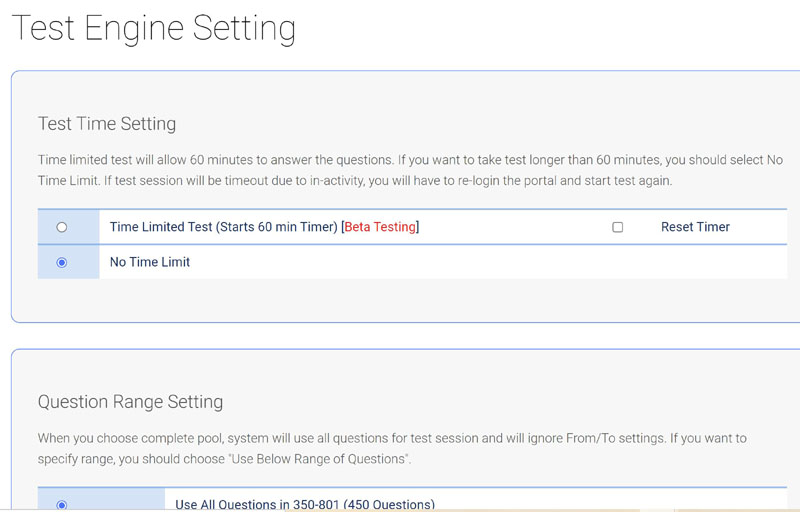
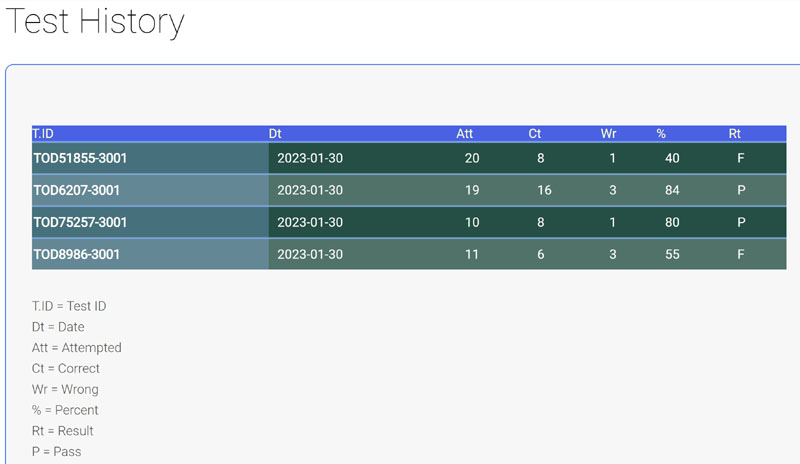
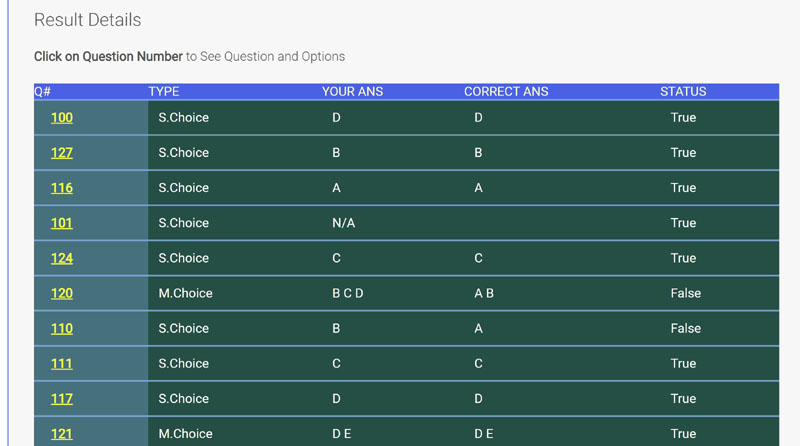
Killexams has introduced Online Test Engine (OTE) that supports iPhone, iPad, Android, Windows and Mac. ARDMS-SPI Online Testing system will helps you to study and practice using any device. Our OTE provide all features to help you memorize and practice test questions and answers while you are travelling or visiting somewhere. It is best to Practice ARDMS-SPI MCQs so that you can answer all the questions asked in test center. Our Test Engine uses Questions and Answers from Actual Sonography Principles & Instrumentation exam.
Killexams.com is an invaluable resource for ambitious professionals striving to excel in their exams and propel their careers forward. By registering and downloading our premium materials, you can confidently pass your Sonography Principles & Instrumentation exam with outstanding results. Our PDF Questions Practice Tests are consistently updated, ensuring you have access to the latest content through your account at any time. Leverage our TestPrep Practice Tests, online test engine, and desktop test engine to achieve remarkable success i
Unlock your path to success with killexams.com’s comprehensive APCA ARDMS-SPI exam preparation resources. Our expertly designed ARDMS-SPI pdf download PDFs and pdf questions Practice Tests have empowered countless candidates to excel in the Sonography Principles & Instrumentation exam with confidence. Thorough preparation with our ARDMS-SPI pdf questions makes poor performance highly unlikely, as most users experience significant knowledge gains and pass on their first attempt after mastering our ARDMS-SPI practice exam materials. At killexams.com, our mission goes beyond simply helping you pass the ARDMS-SPI exam—we aim to deepen your understanding of its objectives, themes, and structure. Our ARDMS-SPI practice questions Practice Tests are trusted by professionals for their clarity and alignment with the real exam’s unique scenarios and questions, ensuring you are fully prepared. Relying solely on course books falls short of what is needed to succeed. Start your journey with our free ARDMS-SPI PDF test questions, available for download to experience the quality of our Sonography Principles & Instrumentation resources firsthand. Register today to access the full version of our ARDMS-SPI pdf questions Practice Tests at an exclusive discounted rate—your first step toward acing the Sonography Principles & Instrumentation exam. Enhance your preparation by downloading and installing our ARDMS-SPI VCE test system to practice repeatedly until you are ready to confidently tackle the real test at an authorized testing center. For the latest and most reliable 2026 ARDMS-SPI Practice Tests to secure a rewarding career, trust killexams.com. Our dedicated experts continuously update genuine ARDMS-SPI test questions, offering a 100% discount guarantee on downloads. While many providers offer ARDMS-SPI practice exam, finding legitimate, up-to-date 2026 ARDMS-SPI pdf questions is a challenge. Avoid the risks of free TestPrep found online—choose killexams.com for premium, affordable resources and take control of your Sonography Principles & Instrumentation exam success.
ARDMS-SPI Practice Questions, ARDMS-SPI study guides, ARDMS-SPI Questions and Answers, ARDMS-SPI Free PDF, ARDMS-SPI TestPrep, Pass4sure ARDMS-SPI, ARDMS-SPI Practice Test, Download ARDMS-SPI Practice Questions, Free ARDMS-SPI pdf, ARDMS-SPI Question Bank, ARDMS-SPI Real Questions, ARDMS-SPI Mock Test, ARDMS-SPI Bootcamp, ARDMS-SPI Download, ARDMS-SPI VCE, ARDMS-SPI Test Engine
Even with my ARDMS-SPI exam just days away, Killexams.com preparation materials made me feel fully ready. Their exam simulator reinforced my understanding, and repeated practice helped me grasp key concepts. My experience with Killexams has been outstanding!
Richard [2026-6-16]
Question bank was incredibly helpful for my ARDMS-SPI exam preparation, offering a clear idea of what to expect. The practice exam simulated the real test environment, and the detailed answer keys reinforced my learning. I highly recommend their exam questions resources to anyone seeking a confident and well-prepared exam experience.
Shahid nazir [2026-5-22]
Preparing for the Sonography Principles & Instrumentation exam was daunting, especially with time constraints. Killexams.com simplified the process by offering structured study schedules and comprehensive materials. Their resources not only helped me cover the syllabus efficiently but also ensured I scored exceptionally well. I walked into the exam feeling fully prepared and self-assured.
Lee [2026-6-11]
More ARDMS-SPI testimonials...
Where can I find free ARDMS-SPI Practice Tests and questions?
Killexams online account is the best place where you can download up-to-date and latest ARDMS-SPI brainpractice questions questions. Killexams recommend these ARDMS-SPI questions to memorize before you go for the actual exam because this ARDMS-SPI question bank contains to date and 100% valid ARDMS-SPI question bank with the new syllabus. Killexams has provided the shortest ARDMS-SPI practice questions for busy people to pass ARDMS-SPI exam without reading massive course books. If you go through these ARDMS-SPI questions, you are more than ready to take the test. We recommend taking your time to study and practice ARDMS-SPI exam practice questions until you are sure that you can answer all the questions that will be asked in the actual ARDMS-SPI exam. For a full version of ARDMS-SPI brainpractice questions, visit killexams.com and register to download the complete question bank of ARDMS-SPI exam brainpractice questions. These ARDMS-SPI exam questions are taken from actual exam sources, that\'s why these ARDMS-SPI exam questions are sufficient to read and pass the exam. Although you can use other sources also for improvement of knowledge like textbooks and other aid material these ARDMS-SPI practice questions are sufficient to pass the exam.
Certainly, Killexams is 100 percent legit and even fully reputable. There are several options that makes killexams.com real and authentic. It provides knowledgeable and hundred percent valid exam dumps including real exams questions and answers. Price is small as compared to most of the services online. The questions and answers are modified on typical basis with most recent brain dumps. Killexams account set up and solution delivery is extremely fast. Data file downloading can be unlimited as well as fast. Assistance is available via Livechat and E-mail. These are the characteristics that makes killexams.com a strong website that supply exam dumps with real exams questions.
ARDMS-SPI - Sonography Principles & Instrumentation study help
ARDMS-SPI - Sonography Principles & Instrumentation learning
ARDMS-SPI - Sonography Principles & Instrumentation guide
ARDMS-SPI - Sonography Principles & Instrumentation teaching
ARDMS-SPI - Sonography Principles & Instrumentation Test Prep
ARDMS-SPI - Sonography Principles & Instrumentation study tips
ARDMS-SPI - Sonography Principles & Instrumentation test
ARDMS-SPI - Sonography Principles & Instrumentation Exam Questions
ARDMS-SPI - Sonography Principles & Instrumentation Practice Questions
ARDMS-SPI - Sonography Principles & Instrumentation certification
ARDMS-SPI - Sonography Principles & Instrumentation Dumps
ARDMS-SPI - Sonography Principles & Instrumentation Exam Braindumps
ARDMS-SPI - Sonography Principles & Instrumentation PDF Dumps
ARDMS-SPI - Sonography Principles & Instrumentation cheat sheet
ARDMS-SPI - Sonography Principles & Instrumentation information source
ARDMS-SPI - Sonography Principles & Instrumentation test
ARDMS-SPI - Sonography Principles & Instrumentation PDF Dumps
ARDMS-SPI - Sonography Principles & Instrumentation course outline
ARDMS-SPI - Sonography Principles & Instrumentation study help
ARDMS-SPI - Sonography Principles & Instrumentation study tips
ARDMS-SPI - Sonography Principles & Instrumentation Exam Cram
ARDMS-SPI - Sonography Principles & Instrumentation PDF Download
ARDMS-SPI - Sonography Principles & Instrumentation exam success
ARDMS-SPI - Sonography Principles & Instrumentation Exam Questions
ARDMS-SPI - Sonography Principles & Instrumentation cheat sheet
ARDMS-SPI - Sonography Principles & Instrumentation certification
ARDMS-SPI - Sonography Principles & Instrumentation Latest Questions
ARDMS-SPI - Sonography Principles & Instrumentation cheat sheet
ARDMS-SPI - Sonography Principles & Instrumentation Dumps
ARDMS-SPI - Sonography Principles & Instrumentation test
ARDMS-SPI - Sonography Principles & Instrumentation Exam Questions
ARDMS-SPI - Sonography Principles & Instrumentation outline
ARDMS-SPI - Sonography Principles & Instrumentation questions
ARDMS-SPI - Sonography Principles & Instrumentation exam
ARDMS-SPI - Sonography Principles & Instrumentation test
ARDMS-SPI - Sonography Principles & Instrumentation Practice Questions
ARDMS-SPI - Sonography Principles & Instrumentation education
ARDMS-SPI - Sonography Principles & Instrumentation information hunger
ARDMS-SPI - Sonography Principles & Instrumentation guide
ARDMS-SPI - Sonography Principles & Instrumentation Dumps
ARDMS-SPI - Sonography Principles & Instrumentation Test Prep
ARDMS-SPI - Sonography Principles & Instrumentation Cheatsheet
ARDMS-SPI - Sonography Principles & Instrumentation information search
ARDMS-SPI - Sonography Principles & Instrumentation exam format
Prepare smarter and pass your exams on the first attempt with Killexams.com – the trusted source for authentic exam questions and answers. We provide updated and verified practice test questions, study guides, and PDF exam dumps that match the actual exam format. Unlike many other websites that resell outdated material, Killexams.com ensures daily updates and accurate content written and reviewed by certified experts.
Download real exam questions in PDF format instantly and start preparing right away. With our Premium Membership, you get secure login access delivered to your email within minutes, giving you unlimited downloads of the latest questions and answers. For a real exam-like experience, practice with our VCE Exam Simulator, track your progress, and build 100% exam readiness.
Join thousands of successful candidates who trust Killexams.com for reliable exam preparation. Sign up today, access updated materials, and boost your chances of passing your exam on the first try!
Below are some important links for test taking candidates
Medical Exams
Financial Exams
Language Exams
Entrance Tests
Healthcare Exams
Quality Assurance Exams
Project Management Exams
Teacher Qualification Exams
Banking Exams
Request an Exam
Search Any Exam